Algorithmic Echoes: Tracing How Social Media Sentiment Reshapes Probabilities in Global Championships and Weekly Fixtures via Portable Platforms
Written by Cameron Perry · Oct 24, 2026
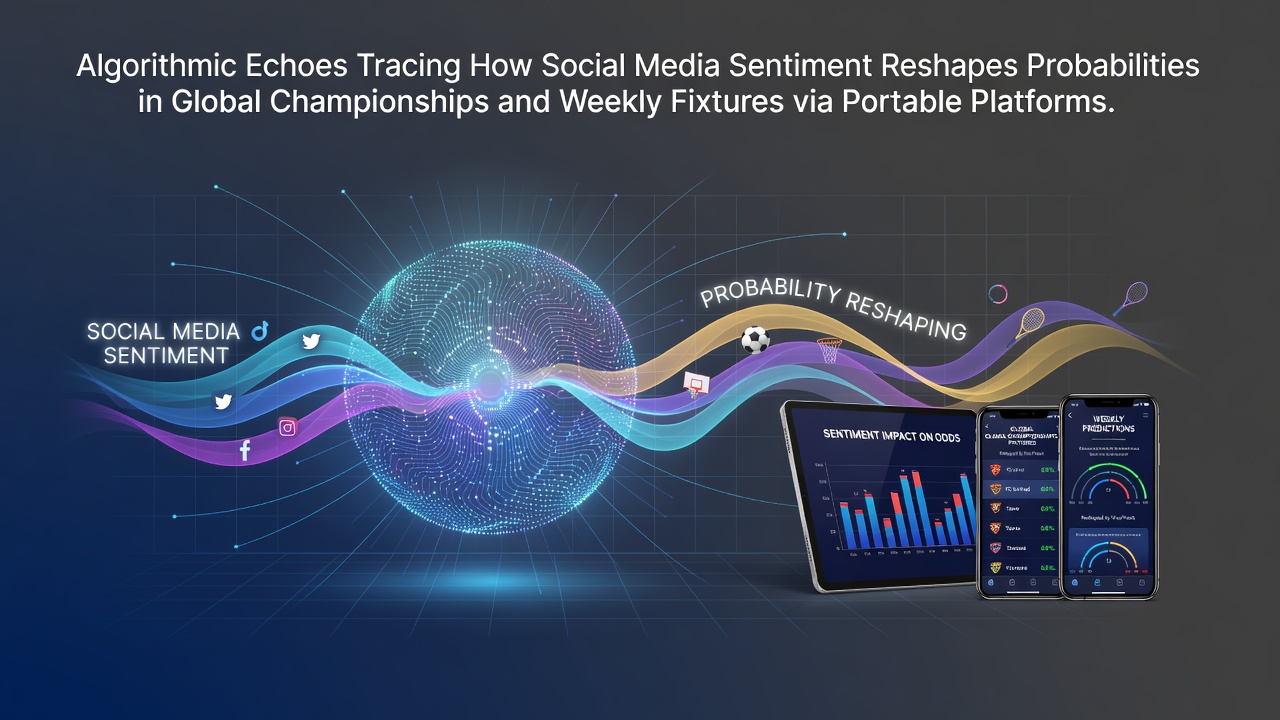
Algorithmic Echoes: Tracing How Social Media Sentiment Reshapes Probabilities in Global Championships and Weekly Fixtures via Portable Platforms
Algorithmic systems now scan vast streams of social media data to detect shifts in public mood that feed directly into probability models for major sporting events, and portable platforms deliver these updated figures to users within seconds of each new post or trend spike. Researchers at institutions across multiple continents have documented how platforms process millions of messages daily from events ranging from football league matches to tennis tournaments, converting sentiment scores into adjustments for live betting lines. Observers note that this process operates continuously during October 2026 fixtures, where global championships overlap with weekly domestic schedules and create sustained data flows that algorithms monitor without pause.
Mechanics of Sentiment Integration in Probability Models
Portable devices capture user-generated content from major networks and route it through natural language processing engines that assign numerical values to expressions of confidence, frustration, or excitement around specific teams and players. These values combine with historical performance data and market movements to recalibrate odds, while the same mobile networks push revised figures back to bettors in near real time. Studies from the University of Melbourne have shown measurable correlations between spikes in positive mentions and subsequent tightening of lines on favored outcomes in cricket and basketball contests. Data indicates that volume thresholds trigger automated reviews, so a sudden surge of commentary about an underdog's preparation can alter implied probabilities before the next quarter or over begins.
Global Championships Under Real-Time Scrutiny
Championship cycles such as qualifying rounds for major football tournaments and ongoing tennis grand slam pathways generate concentrated discussion threads that algorithms prioritize because of their scale. In October 2026, several nations prepare for key fixtures that coincide with league play, producing overlapping sentiment signals that portable applications aggregate into unified dashboards. Experts have observed that cross-platform aggregation reduces noise by weighting verified accounts and high-engagement posts more heavily, which in turn sharpens the accuracy of probability recalibrations. Figures from industry reports reveal that markets tied to these events experience more frequent micro-adjustments during peak discussion hours than during quieter periods in domestic schedules alone.
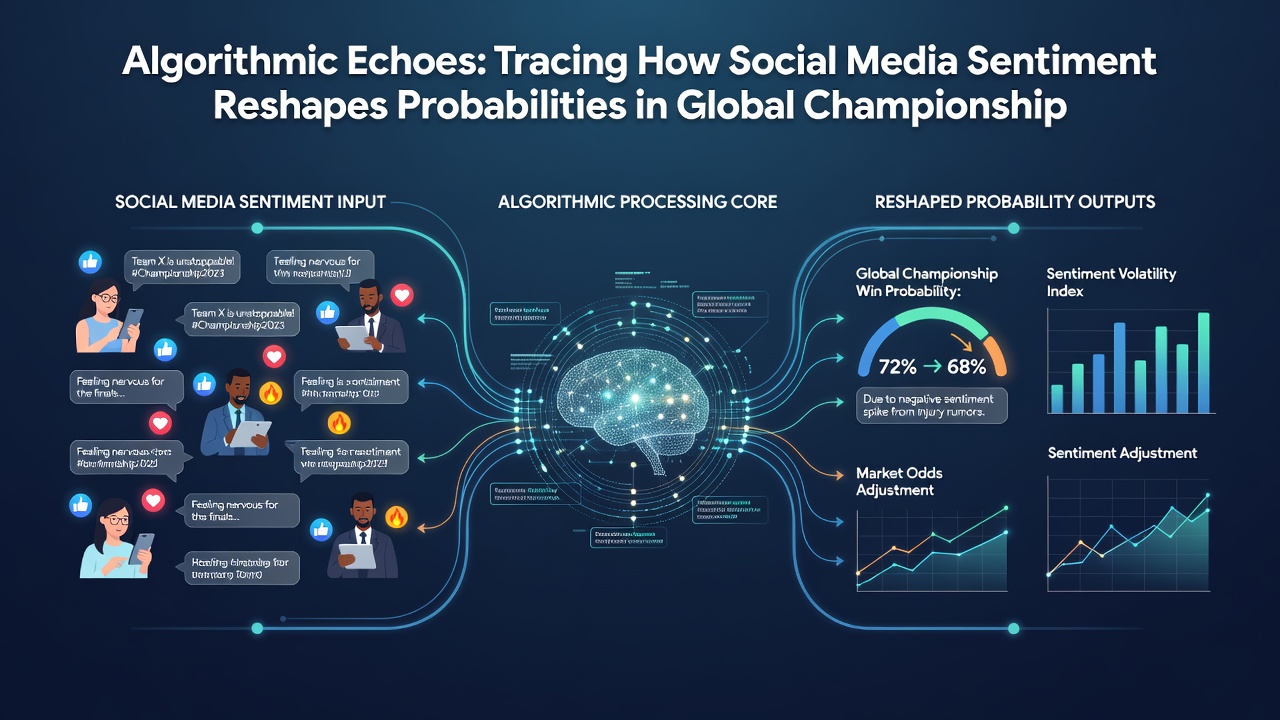
Weekly Fixtures and Localized Sentiment Patterns
Domestic leagues maintain steady streams of commentary that portable platforms filter by geographic origin and language, allowing algorithms to isolate regional biases that influence line movement in football halves or basketball quarters. Researchers have tracked how evening matches in European time zones generate distinct sentiment clusters compared with afternoon fixtures in other regions, and these clusters feed separate weighting factors into the same probability engines. Those who monitor these systems report that weekly patterns become more pronounced when multiple sports run concurrently, because cross-sport mention volume can amplify or dampen effects on individual events. Portable apps surface these layered adjustments through notification layers that highlight which sentiment drivers moved a particular market most recently.
Role of Portable Platforms in Data Delivery
Mobile operating systems and dedicated applications handle the bidirectional flow that turns raw social signals into visible probability changes, and they do so while complying with varying data-protection rules across jurisdictions. According to analysis published by the Pew Research Center, mobile access accounts for the majority of real-time content consumption during live sports, which accelerates the speed at which sentiment registers in betting interfaces. Applications also incorporate user-location data to refine which regional conversations receive priority, creating localized echo effects that differ from global aggregates. This geographic filtering matters during October 2026 because several international qualifiers overlap with regular league weekends, producing distinct sentiment pools that portable tools separate automatically.
Algorithmic Tracing and Verification Methods
Tracing tools rely on timestamped logs that link specific social posts to subsequent odds movements, and independent verification studies compare these logs against exchange records to measure lag times and correlation strength. Observers note that false-positive filters discard automated bot activity and coordinated campaigns before they reach the probability models, preserving integrity in the adjustments. Data from regulatory filings in multiple markets shows that operators maintain audit trails for every sentiment-driven change, allowing external reviewers to reconstruct how a single viral comment chain altered lines on a given fixture. These records become especially relevant when championships and weekly schedules intersect, because overlapping events multiply the number of traceable pathways.
Conclusion
Portable platforms now function as the primary conduit between social media sentiment and live probability updates across global championships and weekly fixtures, with algorithmic systems continuously refining models based on fresh data inputs. Research indicates that the volume and velocity of commentary directly shape the timing and magnitude of adjustments delivered to users, and October 2026 schedules demonstrate how concurrent events intensify these interactions. Regulatory bodies and academic groups continue to examine the transparency of these processes, while the underlying mechanisms remain grounded in measurable correlations between public expression and market recalibration.