Weather Watchers: Mobile Platforms Tracking Atmospheric Shifts for Real-Time Adjustments in Multi-Sport Wagers
Written by Yves Simmons · Aug 26, 2026
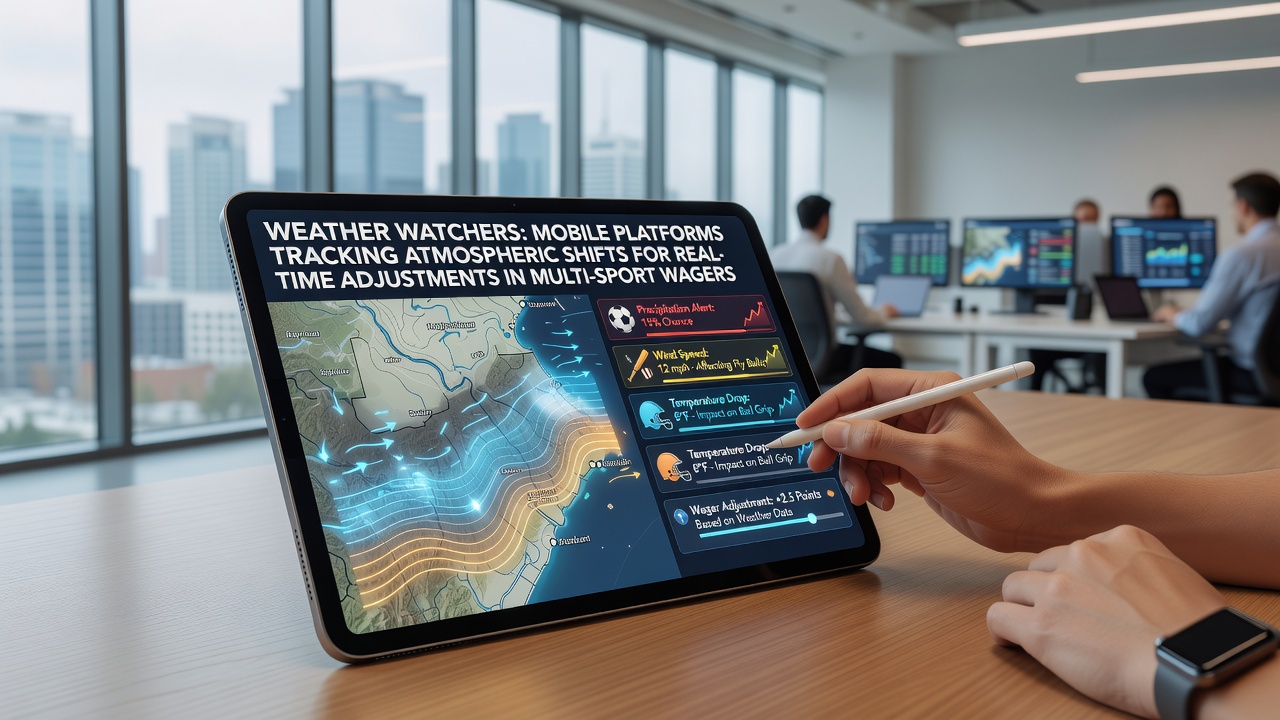
Weather Watchers: Mobile Platforms Tracking Atmospheric Shifts for Real-Time Adjustments in Multi-Sport Wagers
Atmospheric conditions shape outcomes across multiple sports, and mobile platforms now integrate live weather feeds to recalibrate wager parameters as storms develop or winds shift. These systems pull data from satellite networks and ground sensors, then apply algorithms that adjust odds for cricket sessions interrupted by rain, tennis serves affected by humidity, and horse racing tracks altered by precipitation levels.
Researchers at institutions tracking global sports data note that platforms process variables including temperature gradients, barometric pressure changes, and wind vectors in under two seconds. This speed allows bettors to respond before markets fully reflect new environmental inputs, particularly during overlapping events such as a tennis grand slam final and a cricket test match on the same afternoon.
Atmospheric Variables and Sport-Specific Effects
Cricket totals fluctuate when cloud cover reduces visibility and alters swing bowling patterns, while horse racing pace figures shift once turf moisture content exceeds certain thresholds. Tennis rallies lengthen or shorten depending on air density changes caused by temperature drops. Mobile applications combine these factors into unified dashboards that display probability recalibrations across football stoppage-time goals, basketball outdoor venue scoring rates, and rugby lineout success percentages.
Data from meteorological agencies shows that wind speeds above 25 kilometers per hour correlate with measurable declines in tennis first-serve percentages on exposed courts. Similar thresholds trigger automatic updates in accumulator structures that combine cricket overs with horse racing place markets. Platforms register these adjustments continuously rather than at fixed intervals, creating a rolling stream of revised payouts.
Platform Architecture and Data Sources
Developers link application programming interfaces from national weather services directly into betting engines. One integration pathway connects Australian Bureau of Meteorology radar outputs with live cricket and tennis markets, while another routes European Centre for Medium-Range Weather Forecasts grids into football and basketball systems. The result is a layered model that weighs recent precipitation totals against historical performance databases for each venue.
During August 2026, when multiple northern hemisphere tournaments coincided with southern hemisphere winter racing calendars, these combined feeds recorded elevated volumes of in-play adjustments. Observers documented how sudden pressure drops preceding thunderstorms prompted immediate shortening of totals in cricket day-night matches and lengthening of certain horse racing distances on softening ground.

Real-Time Wager Recalibration Mechanisms
Algorithms detect when atmospheric shifts cross predefined impact thresholds and push revised coefficients to user interfaces without requiring manual refresh. Bettors see updated stake recommendations for accumulators that link cricket powerplay overs to tennis tiebreak probabilities adn horse racing final-furlong speeds. The process maintains continuity across sessions because each sport-specific module references a shared environmental dataset rather than isolated feeds.
Industry reports from the European Gaming and Betting Association indicate that platforms handling cross-sport wagers reduced average latency between weather observation and odds revision to 1.8 seconds by mid-2025. This improvement stems from edge-computing nodes placed near major sporting venues that preprocess sensor inputs before transmitting them to central servers. The architecture prevents lag during periods of rapid frontal passage when multiple markets require simultaneous recalibration.
Multi-Sport Accumulator Integration
Accumulators spanning cricket, tennis, horse racing, and basketball now embed weather sensitivity scores that rise or fall according to forecast confidence intervals. A single accumulator might contain cricket run totals adjusted for humidity, tennis game counts modified by wind direction, and horse racing finishing positions influenced by track drying rates. Mobile interfaces display these scores alongside standard odds, allowing users to monitor cumulative risk as atmospheric conditions evolve.
Studies published by university meteorology departments demonstrate that incorporating live pressure and temperature data improves predictive accuracy for outdoor events by measurable margins compared with models relying solely on historical averages. Platforms apply these findings by weighting recent sensor readings more heavily than seasonal norms when generating live adjustments.
Conclusion
Mobile platforms continue to refine the linkage between atmospheric monitoring networks and multi-sport wagering engines. The integration of real-time sensor streams with sport-specific performance databases produces continuous recalibrations that reflect environmental influences across cricket, tennis, horse racing, football, and basketball markets. As data transmission speeds increase and sensor density grows, the precision of these adjustments is expected to rise further, supporting more granular wager structures that respond directly to measured atmospheric shifts.